Week 9 Reflection – Gamification
This week we talked about gamification – a term I wasn’t really familiar with until starting this program. I really like the idea of it, and reflect on how I would’ve really enjoyed gamification when I in school. I wasn’t allowed to have video games growing up, so anytime we got to play some fun games in school I was excited.
It was great learning with Mike’s class and learning all about Minecraft, I had no idea there were so many education based worlds you could enter into. Its cool to see how into Minecraft kids are, and I never thought about incorporating it into school or lessons, I always thought they would just do it on their own time. Its such an awesome way to engage students and deliver information. I really liked the idea of a district wide Minecraft challenge. When my brother was growing up, him and his friends loved Minecraft. They played all the time, both on their own and with each other. If there was an opportunity for them to use it at school, I know he would’ve loved it.
The websites and games I used growing up in school were mostly Cool Math Games – specifically Bloxorz (although the website looks much different now than it did), Typer Shark, Operation Neptune, and Type to Learn. They were so fun! I remember going into the computer lab at school and having a whole block for typing games, and then being able to play the more ‘game’ games in other settings after we finished our work. I definitely learned how to type through those games and they still stick in my memory. It shows how engaging and useful gamification can be.
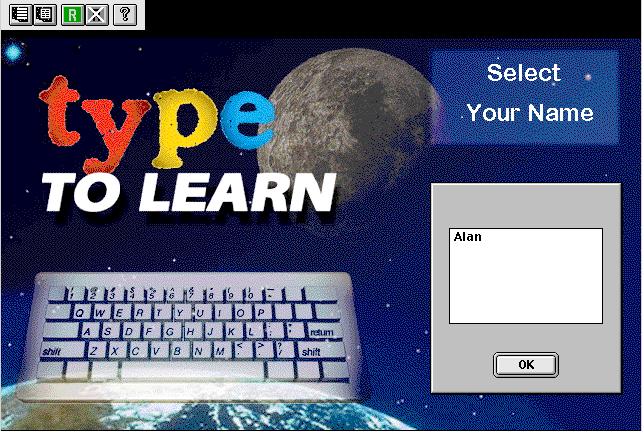
Type to Learn – typing games interspersed with lessons ages K-12
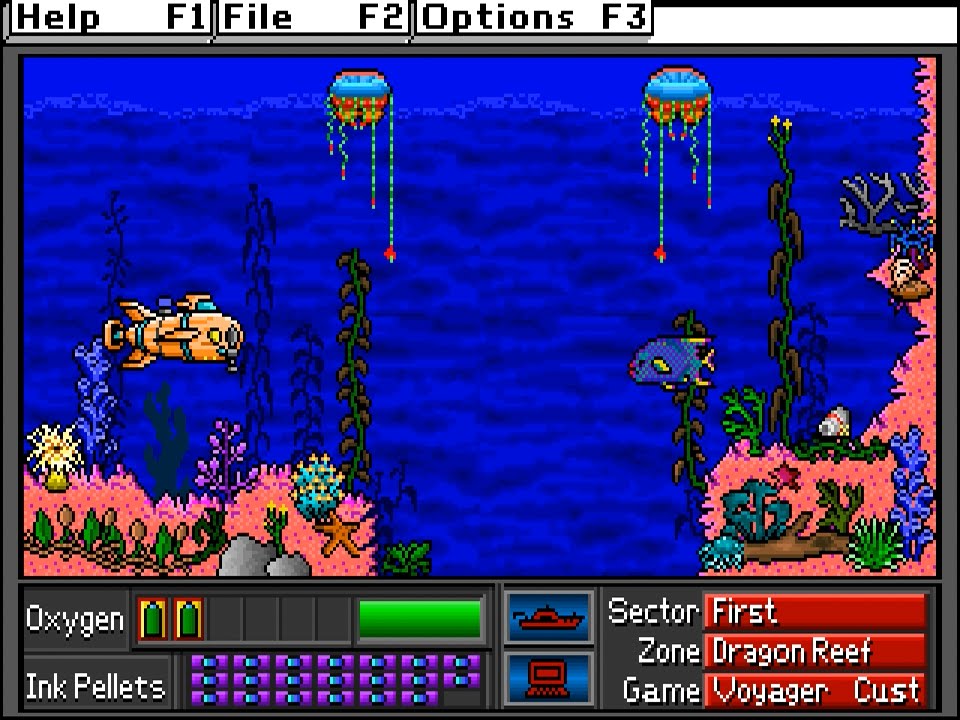
Operation Neptune – math, word problems, underwater education/entertainment aimed for intermediate ages to early teens
The game I played during our class was the Oregon Trail. It was nostalgic and reminded me of the first games I ever played with my brother. Now, I found it relatively slow and boring with a lot of reading. But I think it would do well with kids still. There is some math, problem solving, and decision making that is built right into the game. Its also great for historical context and learning, and is a low stimulation game which I am a fan of. I also played Harmony Square which was a lot of reading and very minimal exciting gameplay. I see the benefit of the games for SEL and online understanding, but wasn’t engaged and could feel myself just clicking through to move along. I couldn’t really see young students reading through all the prompts. Maybe the teacher could take some of the lessons from the games and teach them in a different way. I tried to play Be Internet Awesome, which I liked the layout and look of, but it wouldn’t load on my computer. I like the worlds and islands that game made up for students to explore.
I really liked the two resources from Miriam Bride and Leslie McCurrach and like that McCurrach shares tips to gamify an already existing lesson. Her ‘how to‘ guide gives a great jumping off point for teachers that want to start using these tools.
I am glad you found the week’s topic worthwhile. I am also glad to read how you see how Leslie’s guide for integrating gamification principles!
Please note that, like with Minecraft, many games require both an introduction and a follow-up to debrief and reinforce the messaging and intended outcomes for students. That is where Minecraft Education excels, as it has designed learning activities and lesson plans. Deliberate design and structure for how learning will occur is key to guiding students in the effective use of any supporting tech and gaming design. And don’t forget, games are not restricted to the digital learning environment.